

The allure of converted homes: Living in London’s most unique properties
Discover why conversions - from historic warehouses to Victorian schools - are among the most sought-after homes in London, combining heritage, character and modern design

Discover why conversions - from historic warehouses to Victorian schools - are among the most sought-after homes in London, combining heritage, character and modern design

Have you ever imagined living in a school, a church or a warehouse? For many buyers, the is undeniable. While period houses remain consistently popular, conversions offer something even more distinctive: one-of-a-kind properties that combine architectural charm with modern comforts, often with unexpected perks.
ā€œBuyers are captivated both by the sense of history and the distinctive layouts and original features that set these homes apart from conventional housing stock,ā€ says Simon Boulton, Partner in 51ĀŅĀ×ā€™s Prime Residential Sales team. ā€œExposed brickwork, vaulted ceilings, steel beams and dramatic windows create an immediate wow factor. Conversions also tend to offer more generous proportions and volume.ā€
London is home to some of the most remarkable conversions in the country. Warehouse conversions dominate former industrial hubs such as the Docklands, now transformed into vibrant neighbourhoods offering premium waterfront living. Elsewhere, striking examples of church and school conversions can be found in boroughs such as Islington, Camden and Southwark, giving buyers an extraordinary variety of styles and settings to choose from.
That diversity extends to the buyers themselves. While conversions have long attracted creatives and young professionals, families are increasingly drawn to larger lateral layouts and secure gated developments. At the top end of the market, buyers are drawn to their appeal. ā€œThey often seek them out as they represent something uniquely London that canā€™t easily be replicated elsewhere,ā€ Boulton adds.
With any period home - and conversions in particular - striking the balance between character and comfort is key. ā€œThe most successful conversions respect the original fabric of the building while introducing discreet upgrades,ā€ says Boulton. Features such as underfloor heating, secondary glazing and hidden insulation improve efficiency without compromising character, while bespoke joinery can overcome storage challenges in style.
That said, conversions can pose challenges. Layouts are sometimes unconventional; what feels charming to one person may feel impractical to another. Listed buildings can sometimes come with planning restrictions, limiting alterations, while older structures could bring higher maintenance costs. ā€œBuyers should carry out thorough due diligence: check the service charge, confirm what alterations are allowed, and always instruct a surveyor experienced in heritage buildings,ā€ Boulton advises.
Despite the practical considerations, the unique appeal of conversions often outweighs them. ā€œNot every conversion is perfect, but buyersā€™ hearts frequently rule their heads when a propertyā€™s charm is compelling enough,ā€ Boulton says. ā€œTheir memorability is important: an impressive conversion leaves a lasting impression, and that uniqueness underpins values.ā€
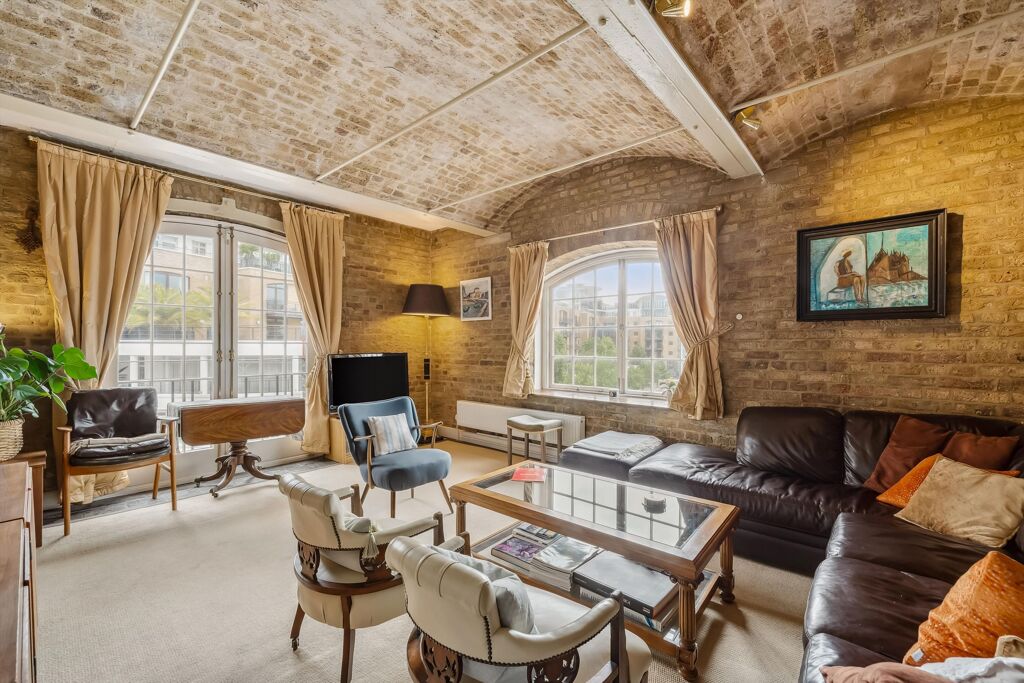
Apartment, 1100 sqft


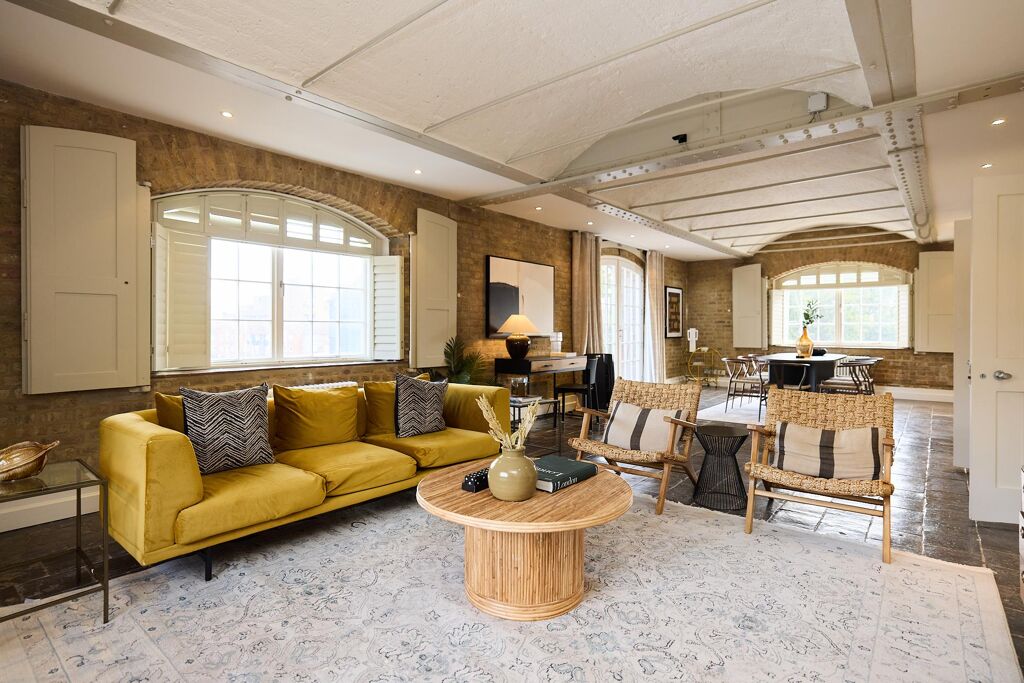
Warehouse Conversion, 2099 sqft
Discover more properties for sale across the UK

Inspiration
Flexible rentals, premium rates and global demand are making summer an increasingly attractive opportunity for homeowners in the short lets market
21 May 2026

Locations
From royal roots to bohemian spirit, Chelsea remains one of London’s most enduringly desirable addresses
20 May 2026

Homes
Far from conventional, these exceptional properties blend creativity and individuality, each a thoughtfully designed showcase of architectural flair
20 May 2026

Locations
From post‑war reinvention to world‑class regeneration, London’s South Bank has become one of the capital’s most dynamic destinations
08 May 2026

Inspiration
As new government legislation comes into force, what are the current market trends landlords should know to achieve a successful tenancy
28 April 2026

Locations
Why Kensington remains one of London’s most sought‑after neighbourhoods – from its strong community to luxury new homes
09 April 2026

Homes
From strategic timing and smart pricing to simple presentation upgrades, these expert tips will help you secure the strongest possible offer
08 April 2026

Homes
From Bond icons to arthouse legends, these properties offer heritage, character and true cinematic provenance
11 March 2026

Homes
From capped ground rents to a planned ban on new leasehold flats, here’s how the 2026 reforms could reshape flat ownership and the market
05 February 2026

Locations
The Coombe Estate in southwest London offers a secluded, secure and elevated lifestyle that evokes countryside living - yet is within easy reach of the heart of the capital
16 January 2026

Locations
From London neighbourhoods on the rise to sought-after countryside escapes, here are the key locations buyers and renters should be watching in 2026
18 December 2025

Homes
As we approach the end of the year, from landmark country estates to London’s finest period properties, we look back at some of 51ĀŅĀ×’s most notable sales of 2025
17 December 2025

Homes
From historic properties with famous connections to family houses in London’s village-like neighbourhoods, discover a collection of the finest homes in the capital
17 December 2025

Inspiration
Discover the capital’s great estates delighting residents and visitors with their seasonal displays and events
03 December 2025

Homes
As Labour’s much-anticipated Budget is announced, our experts share their insight on how it could affect your property portfolio
27 November 2025

Homes
With rarity, prestige and panoramic views, London’s finest penthouses continue to captivate buyers seeking elevated living in the heart of the city
20 November 2025

Homes
As property sales at Chelsea Barracks pass £1.5 billion, explore how the estate has set a new benchmark for supreme London living
06 November 2025

Inspiration
Designer Irenie Cossey transformed a derelict house in London’s De Beauvoir into a vibrant, light-filled home that celebrates colour, collaboration and craftsmanship
03 November 2025

Inspiration
Soaring demand from global studios and high-profile talent is transforming London’s premium rental scene and creating unique opportunities for landlords
20 October 2025

Homes
Why high demand and few consented projects mean new homes in this favourite Prime Central London neighbourhood are in short supply
17 October 2025

Homes
Discover a collection of star-quality London homes with dedicated cinema rooms to enjoy your favourite film in comfort and style
16 October 2025

Homes
Once considered humble buildings that served grand London estates, mews houses are now among the most sought-after properties in the capital
07 October 2025

Locations
Looking for your next move in London? Fulham combines village-like charm, family-friendly living and excellent connections
26 September 2025

Homes
Tom Scaife, Head of Seniors Housing at 51ĀŅĀ×, delves into how the sector is breaking down perceptions and creating inspiring lifestyle-led communities
12 September 2025
Sorry!
An unexpected error has occurred.
Please try again later.
