

How The Newt in Somerset is bringing historic gardens into the modern age
Head Gardener Harry Baldwin shares how history, sustainability and modern horticulture shape the estate, and gives his top tips for the green-fingered

Head Gardener Harry Baldwin shares how history, sustainability and modern horticulture shape the estate, and gives his top tips for the green-fingered

The Newt in Somerset is a rather curious name for a country estate and hotel. Set within the Hadspen Estate and centred on a grand 17thโ€‘century country house, the title emerged ahead of its 2019 launch, when a large population of great crested newts was discovered on site. This protected species would typically put a spanner in the works of any development; instead, as the project evolved around the colony, it became emblematic of owners Koos Bekker and Karen Roosโ€™ deep respect for the natural surroundings they inhabit.

“They’ve always said we are a garden with a hotel – not a hotel with a garden,” says Harry Baldwin, The Newt’s Head Gardener. The estate has centuries of horticultural history to draw upon, with more than two of them under the stewardship of the Hobhouse family, who left an indelible mark. The great garden designer Penelope Hobhouse MBE lived here until 1979, followed by Nori and Sandra Pope, who experimented with and celebrated colour through planting.

Today, this passion is as evident as ever. For the past four years, The Newt was the headline sponsor of the RHS Chelsea Flower Show, and continues its support of its horticultural excellence. This year, the estate will host its own celebration in the form of (9–17 May), opening the gardens to nonโ€‘members for a diverse programme of events ranging from talks on soil health to willowโ€‘weaving workshops. Expert speakers include Alan Titchmarsh CBE, author Robin Lane Fox, ‘noโ€‘dig’ pioneer Charles Dowding and botanist Tony Kirkham MBE.
Harryโ€™s journey into horticulture began with a love of trees, working at the Arboretum at Kew Gardens before becoming Head of Horticulture at Borde Hill in West Sussex. โ€œMy love of history really came to the forefront, along with the opportunity to understand how science, conservation and education intersect,โ€ he says. โ€œAt The Newt, we were lucky to inherit an archive of the estateโ€™s grounds, which is a wonderful tool for narrating its past to guests. But what truly inspired me is that itโ€™s also moving so quickly in so many directions as a brand.โ€

As a hospitality destination, there’s a continual push to think beyond convention and ensure returning guests always have something new to discover. “I just love plants, and I don’t want us to rely only on species people already know,” Harry explains. “It’s about showcasing the beauty of plants themselves, rather than defaulting to heavily hybridised roses or tulips, for example.”

One of his favourite areas is the Four Seasons Gardens, designed to delight visitors at different points throughout the year. From cherry blossom and scented roses to rich autumn colour, the fleeting nature of each display makes catching it at its peak all the more special.
โ€œEach part of the garden works incredibly hard for a very short amount of time,โ€ he says. โ€œWe create these wonderful moments, but theyโ€™re only there briefly. That rarity is what makes them so special when you do experience them.โ€
Preserving biodiversity is central to the role of custodian of the estate. The Newt has a dedicated entomologist who monitors the vast number of species flourishing across the gardens.

โ€œHe carries out an annual audit, which gives us a clear picture of where weโ€™re rich in species and where we can improve. That data directly informs our planting,โ€ Harry explains. โ€œWe also introduced bird recorders that capture sounds and run them through an AI system, and in under 12 months, in just one spot, we recorded 75,000 bird calls.โ€
These insights, in turn, shape educational workshops for members, reinforcing a culture of learning and stewardship. Sustainability is embedded at every level, including what the plants grow in. โ€œWe donโ€™t use peat in our growing media,โ€ Harry says. โ€œInstead, we use coconut coir, bark and other recycled materials that are far more sustainable. We also compost all of our green waste on site, which we then reuse across the gardens.โ€

Keep it natural
โ€œThere are countless plant feeds on the market, but many are artificial and unnecessary. Reusing garden waste, even vegetable scraps from your kitchen, is far better for the soil, and youโ€™ll start to see invertebrates returning too.โ€
Right plant, right place
โ€œListen to your garden. Understand your soil and aspect. People often try to grow shadeโ€‘loving plants in full sun. Rather than copying what youโ€™ve seen on Instagram or at a garden centre, focus on what thrives naturally in your conditions โ€“ thatโ€™s how you create a garden thatโ€™s lush and largely selfโ€‘sustaining.โ€
Be patient
โ€œThe best gardens take years to evolve โ€“ no garden is ever finished in one season. Annuals are brilliant for early interest and filling gaps, and growing them from seed helps you really understand the plant. Many will selfโ€‘seed too, creating a more naturalistic feel over time.โ€
Go beyond looks
โ€œThereโ€™s a growing appreciation for productive gardens, with edibles woven into ornamental planting. At The Newt, our aim is for gardens to be both beautiful and practical.โ€

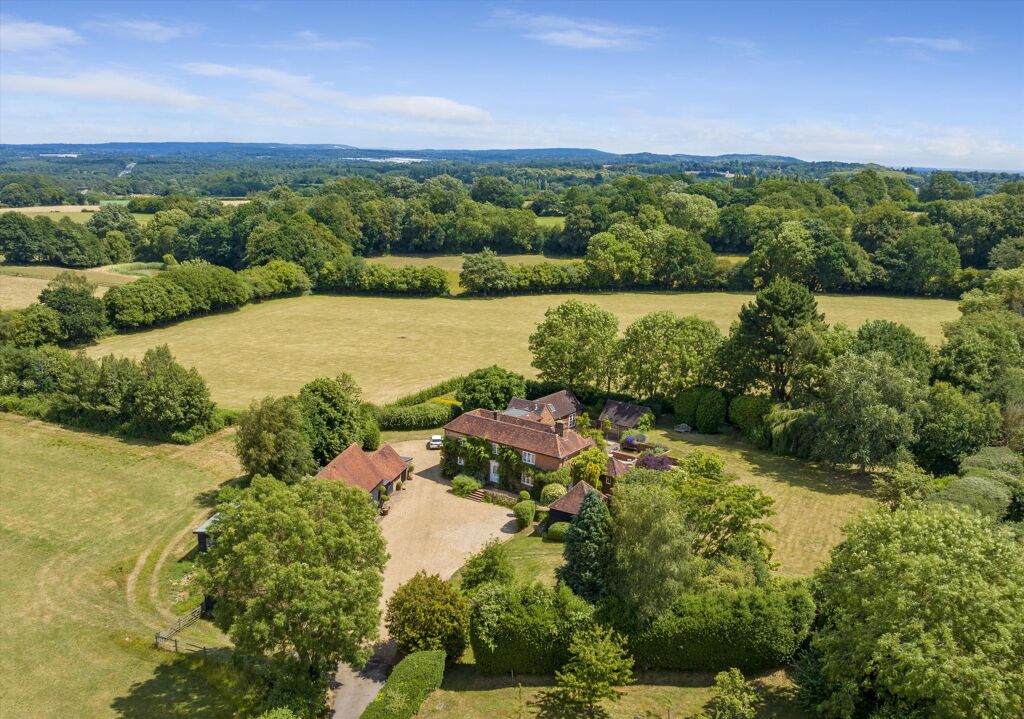
House, 1.56 acres


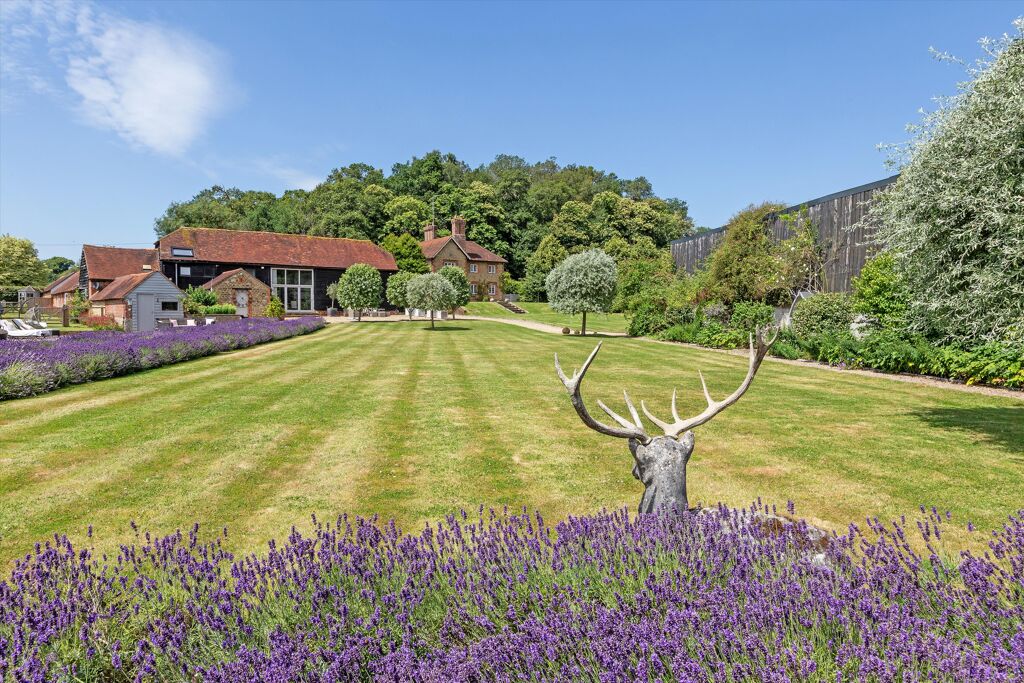
House, 12.15 acres
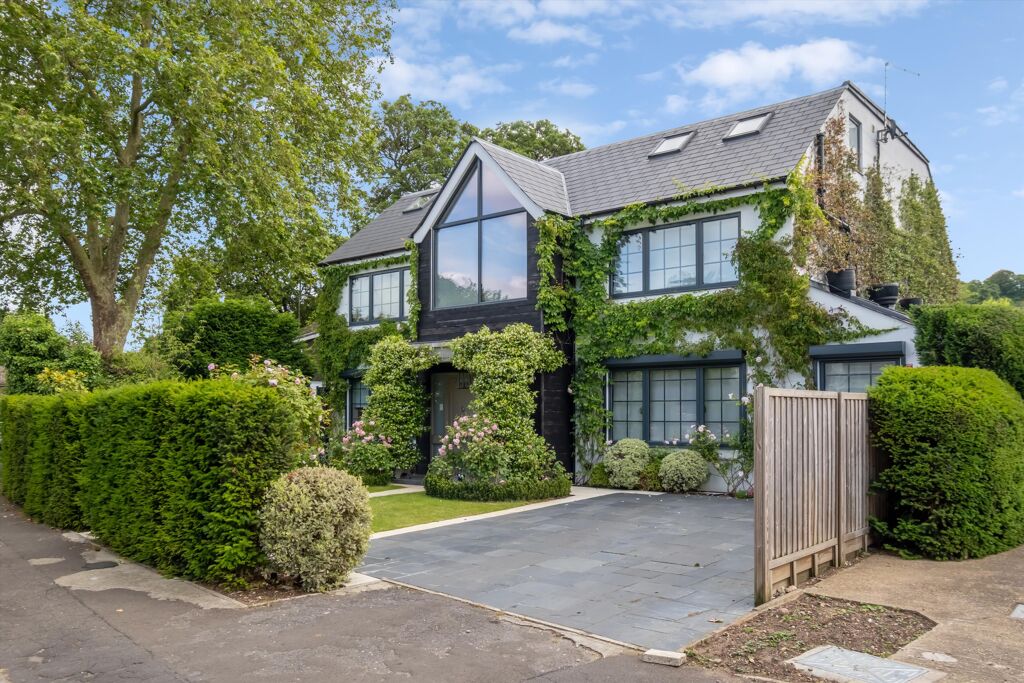
House, 33.15 acres
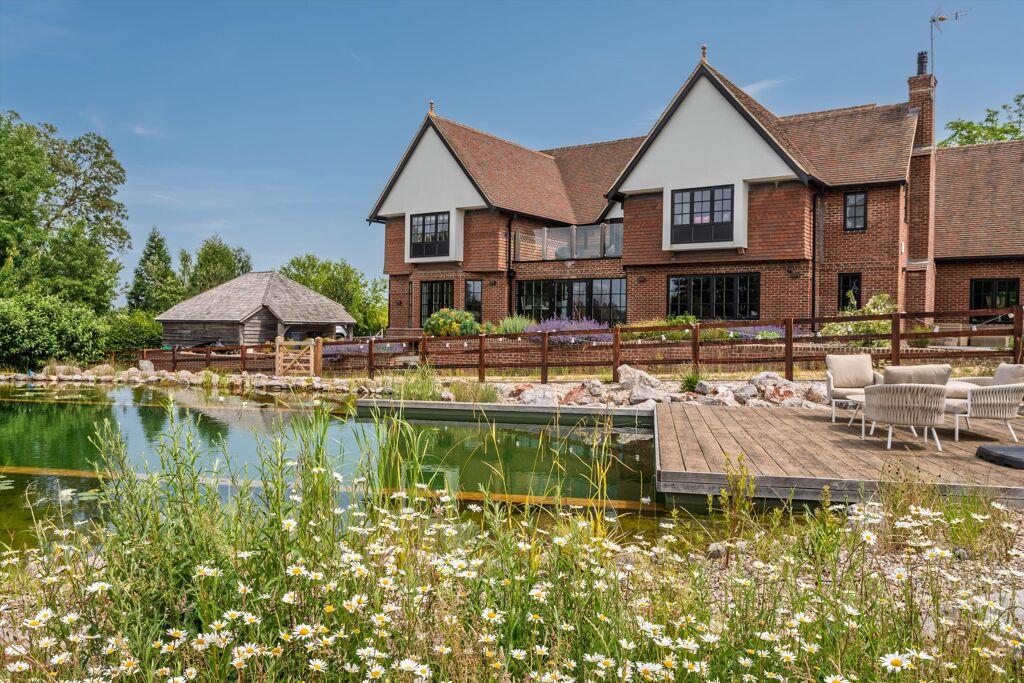
House, 4985 sqft
House, 22.84 acres
House, 23.42 acres
House, 3.5 acres
Discover more properties for sale across the UK

Locations
From its honey‑stone cottages to celebrity neighbours, our local experts share their insight on where to live this picturesque pocket of Britain’s countryside
05 June 2026

Homes
Living by the water, and spending time in and on it, is the dream for many. Here are some fabulous homes, complete with private moorings, which make that dream a reality
03 June 2026

Inspiration
Flexible rentals, premium rates and global demand are making summer an increasingly attractive opportunity for homeowners in the short lets market
21 May 2026

Inspiration
As new government legislation comes into force, what are the current market trends landlords should know to achieve a successful tenancy
28 April 2026

Homes
51ยายื’s experts share what to consider when finding the perfect home for both you and your horse, along with some incredible equestrian properties for sale
22 April 2026

Homes
Discover the homes leading the way in sustainable, energy-efficient and luxurious living
21 April 2026

Inspiration
Head Gardener Harry Baldwin shares how history, sustainability and modern horticulture shape the estate, and gives his top tips for the green-fingered
20 April 2026

Homes
From strategic timing and smart pricing to simple presentation upgrades, these expert tips will help you secure the strongest possible offer
08 April 2026

Locations
From fast London commutes to outstanding schools, here’s what makes Surrey one of the UK’s most sought‑after counties
07 April 2026

Homes
If you're dreaming of open space, natural light and countryside views, these beautifully converted barns could be your perfect match
26 March 2026

Locations
Where should you buy in the UK countryside? Our experts spotlight the regions that deliver beauty, convenience and enduring appeal
12 March 2026

Homes
From Bond icons to arthouse legends, these properties offer heritage, character and true cinematic provenance
11 March 2026

Locations
Local agent Harry Bethell shares his insight into the Cotswolds town’s unique appeal, and how to enjoy the best of its cultural offering
11 March 2026

Locations
Offering the ease of a small city with the freedom of countryside living, Exeter’s outstanding schools, waterfront lifestyle and abundant green spaces make it a standout choice
26 February 2026

Locations
Thinking of moving to the coast? 51ยายื shares the best places to live by the sea in the UK for lifestyle, space, and community.
26 February 2026

Homes
On the market for the first time, this home combines sustainable design, considered living and spectacular panoramic views
25 February 2026

Homes
Pilot Matt Jones shares his love of two enduring emblems of Britain’s past, his 17th-century Devonshire manor house, and the legendary Spitfire, reports Alexandra Goss
03 February 2026

Locations
With its elegant architecture, vibrant cultural scene and relative value, more buyers are looking north for their next home. We explore why living in Edinburgh is increasingly competing with life in the capital
29 January 2026

Locations
From London neighbourhoods on the rise to sought-after countryside escapes, here are the key locations buyers and renters should be watching in 2026
18 December 2025

Homes
As we approach the end of the year, from landmark country estates to London’s finest period properties, we look back at some of 51ยายื’s most notable sales of 2025
17 December 2025

Homes
Step inside some of the most spectacular country homes for sale, from those with historical charm to contemporary luxury, each offering a unique glimpse of rural life at its finest
17 December 2025

Inspiration
Francesca Pratt explains how rethinking layouts, enhancing flow and embracing creative ideas reshaped her family home, along with the styling tips she recommends for any space
15 December 2025

Inspiration
How creative vision, careful design and a love of coastal living came together to shape Southwold’s most striking modern home - now on the market
01 December 2025

Homes
As Labour’s much-anticipated Budget is announced, our experts share their insight on how it could affect your property portfolio
27 November 2025
Sorry!
An unexpected error has occurred.
Please try again later.
